
Chiropractic Care and Immune Health: Understanding the Connection
The immune system is often thought of as something separate from the spine or nervous system, but in reality they are closely connected. Immune function depends on clear communication between the brain, spinal cord, and the rest of the body. The spine and nervous system sit at the center of that communication, which is why they’re where chiropractic care focuses.
Anatomy and physiology show how closely the nervous system and immune system are linked. Your nervous system coordinates how your body adapts to stress, including how it regulates inflammation and immune activity. Caring for how it adapts, through movement, sleep, stress management, and chiropractic care, is a reasonable way to support the body as a whole.
The Nervous System and Immune System Relationship
The nervous system and immune system are in constant communication. The brain and spinal cord regulate immune responses through signaling pathways that influence inflammation, tissue repair, and stress responses. Sympathetic nerves that leave the thoracic and upper lumbar spinal cord reach organs involved in immunity, such as the spleen and thymus. When this communication is disrupted, immune regulation can become less efficient.
The spine plays a central role in this process. It protects the spinal cord and houses nerves that influence organ function, muscle tone, circulation, and immune signaling. Restricted or dysfunctional spinal movement can alter sensory input to the brain, potentially affecting how the nervous system coordinates immune activity.
Stress, Inflammation, and Immune Load
One of the biggest factors influencing immune health is stress, both physical and emotional. Chronic stress can increase inflammation, disrupt sleep, impair digestion, and suppress immune responses.
Physical stress from poor posture, repetitive movement, or joint restriction can contribute to muscle tension and nervous system overload. Chiropractic care aims to reduce this physical stress by improving joint mobility, posture, and movement efficiency. When the body moves better, it often handles stress more effectively.
This is important because the immune system functions best in a balanced internal environment, not one constantly signaling “threat” or tension.
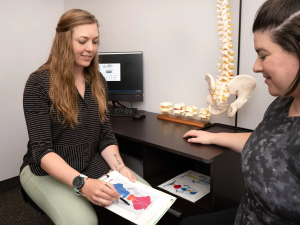
How Chiropractic Adjustments May Support Immune Function
Adjustments give the nervous system precise input from joints that aren’t moving well. That input reaches the brain and the autonomic nervous system, which helps regulate stress responses, inflammation, and immune activity. Research on exactly how this plays out is limited, and it’s hard to study because effects can vary widely from person to person. So we describe it as a way to support your body’s adaptability, not a promise of a specific result.
A Whole-Body Approach to Immune Health
Chiropractic care works best as part of a comprehensive approach that includes quality sleep, movement, nutrition, hydration, and stress management. Rather than targeting immune cells, chiropractic care focuses on the structures and systems that coordinate the body’s responses.
Final Thoughts
Immune health is about more than avoiding illness. It’s about resilience, recovery, and how well your body adapts. The anatomy shows that the spine, nervous system, and immune system are closely linked, and when your nervous system adapts well, your body adapts well. Caring for how you move and how you handle stress is a good place to start.
At Cadence, we use postural and motion X-rays to see how your spine is moving, and thermography to see how your body is adapting, and we build a plan around what we find. Our care works alongside the rest of your health care. If you’re curious how your own movement and stress patterns look, we’d be happy to walk through it with you. 💚
#MotionIsLife #CadenceChiroMN
